
Thinking about straighter teeth without the look of metal brackets? You’re in the right place. Everything you need to know about Invisalign starts here, from how the clear aligner system works to who it fits best and how it compares to traditional braces. Dr. Nicholas Rafaill, Dr. Thomas Rafaill, and the team at Straight Smiles Orthodontics have guided children, teens, and adults through almost-invisible braces for years, and this guide pulls together the answers patients ask us most.

What Is Invisalign?
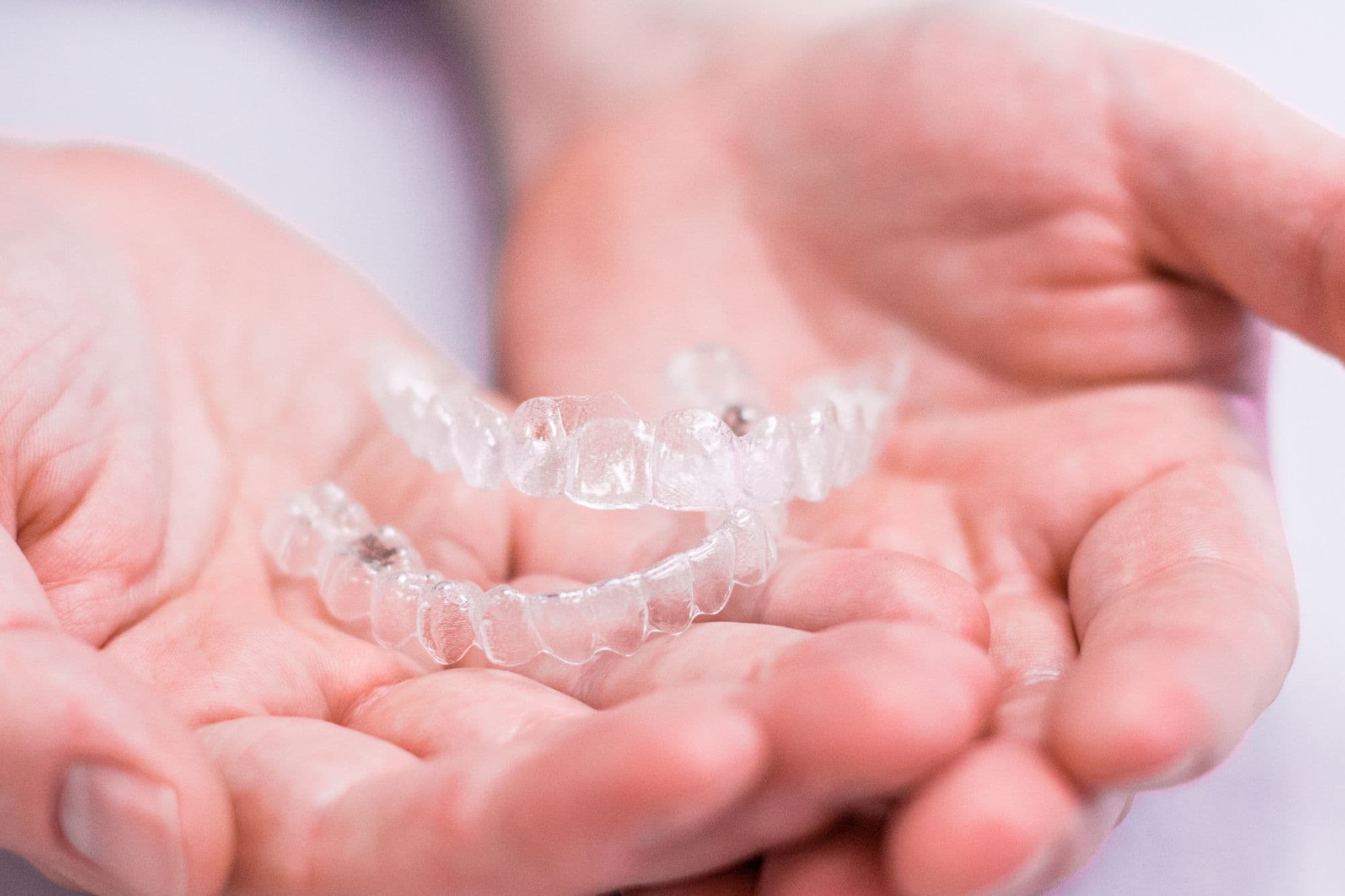
Invisalign is a clear aligner system that uses a series of custom-made, removable plastic trays to gradually shift teeth into a straighter position. Each tray applies gentle pressure to specific teeth, and you swap to the next tray every one to two weeks. It’s a nearly invisible alternative to metal braces designed for everyday life.
Here’s what sets Invisalign apart:
- Introduced in 1998 by Align Technology, it’s the most established clear aligner brand in orthodontics.
- Trays are made from a flexible thermoplastic material engineered specifically for tooth movement.
- The aligners are nearly invisible from a conversational distance, though not completely undetectable up close.
- You remove them to eat, drink anything other than water, brush, and floss.
- Treatment is customized to your bite using 3D digital planning.
At Straight Smiles Orthodontics, we’re a certified Invisalign provider, which means Dr. Nicholas Rafaill and Dr. Thomas Rafaill have the training and technology to plan these cases from start to finish.
How Invisalign Works: The Treatment Process
So how does Invisalign actually move your teeth? The short version: a certified braces expert maps your smile in 3D, designs a custom tray sequence, and you wear each aligner 20-22 hours a day while your teeth gradually shift into their planned positions. Most patients see their final projected smile before they ever start treatment.
Here’s the step-by-step process at Straight Smiles Orthodontics:
- Free consult and digital scan. Dr. Nicholas Rafaill, Dr. Thomas Rafaill, and the team start with a free consultation and a 3D iTero scan that maps your teeth, gums, and jaw in minutes. No goopy impressions needed.
- Personalized treatment plan. Using the scan, we design your tooth-movement blueprint and show you a digital preview of your final smile before you commit.
- Custom aligners made. Your trays are manufactured specifically for your mouth. When they arrive, you’ll wear them 20-22 hours per day.
- Switch trays every 1-2 weeks. Each new tray picks up where the last left off, nudging teeth a small amount at a time.
- Progress check-ins every 6-8 weeks. We make sure teeth are tracking as planned and troubleshoot early if anything looks off.
- Refinements and retainers. If a few teeth need extra attention, we order refinement trays. Once your smile is where it should be, you’ll wear retainers to protect your results.
Benefits of Choosing Invisalign
Clear aligners have become a leading treatment option for a reason. They fit modern life, and they handle a wide range of bite issues that once required brackets and wires. Here’s why so many of our patients choose Invisalign for their smile transformation.
- Discreet appearance. The clear trays are far less noticeable than metal braces. Coworkers, classmates, and photos often don’t give it away.
- No food restrictions. Because you remove the aligners to eat, you can still enjoy popcorn, apples, bagels, corn on the cob, and everything else usually off-limits with brackets.
- Easier brushing and flossing. Take the trays out, clean your teeth normally, and put them back. No threading floss around wires or scrubbing between brackets.
- More comfortable day to day. Smooth plastic edges mean fewer sore spots on your cheeks, lips, and tongue. No pokey wires to wax over.
- Fewer surprise visits. With no brackets to pop off or wires to snap, emergency appointments drop significantly, and routine check-ins are often shorter.
- See your smile before you start. The digital treatment preview lets you look at your projected final result on day one.
- Easier to keep up with sports and instruments. No brackets to worry about during contact sports or when playing wind instruments.
For busy families balancing school, work, and activities, these benefits add up. We hear it all the time from parents and professionals across Shelby Township, Commerce Township, and Rochester Hills.
Invisalign vs. Traditional Braces vs. Other Clear Aligners
Choosing between treatment options comes down to your bite, your lifestyle, and the kind of supervision you want during care. Here’s how Invisalign stacks up against the main alternatives.
| Feature | Invisalign | Metal Braces | Clear Braces | Mail-Order Aligners |
|---|---|---|---|---|
| Visibility | Nearly invisible | Highly visible | Discreet | Nearly invisible |
| Removable | Yes | No | No | Yes |
| Food restrictions | None | Many | Many | None |
| In-person supervision | Yes, every 6-8 weeks | Yes, every 4-8 weeks | Yes, every 4-8 weeks | No |
| Handles complex cases | Yes | Yes | Yes | Limited to mild cases |
| Oral hygiene ease | Easiest | Hardest | Harder | Easiest |
A few key points worth calling out:
- Invisalign vs. metal braces. Metal braces are fixed in place, so compliance isn’t a factor, but they’re far more visible and come with food restrictions. Invisalign offers the discretion and flexibility most teens and adults want.
- Invisalign vs. clear braces. Both are low-profile, but clear braces are still bonded to your teeth. Aligners come out when you need them to.
- Invisalign vs. mail-order aligners. Mail-order aligner companies skip in-person supervision. That might sound convenient, but orthodontic tooth movement affects your bite, jaw, and long-term stability. Having a braces expert examine your mouth, take X-rays, and monitor progress protects your smile and your results.
- Case complexity. Invisalign now handles many of the complex cases that once required braces, including bite correction, significant crowding, and spacing issues.
Who Is a Good Candidate for Invisalign?
Most teens and adults with mild to moderately complex bite issues make great Invisalign candidates. Thanks to improvements in aligner technology, Invisalign now treats cases that once required brackets and wires. The best way to know for sure is a hands-on evaluation with a braces expert.
Invisalign commonly treats:
- Crowding and crooked teeth
- Spacing issues and gaps
- Overbite
- Underbite
- Crossbite
- Open bite
- Mild to moderate relapse after previous orthodontic treatment
Who may need a different approach:
- Patients with severe skeletal jaw discrepancies that require surgical correction
- Mouths with extensive bridgework that limits tooth movement
- Younger children still waiting on primary teeth to shed
- Anyone who can’t commit to wearing trays 20-22 hours per day, since compliance is the single biggest factor in success
Dr. Nicholas Rafaill and Dr. Thomas Rafaill will review your bite, scan your teeth, and tell you honestly whether Invisalign, clear braces, or metal braces is the best treatment option for your smile. If aligners aren’t the right fit, we’ll explain why and show you what will work.
Frequently Asked Questions About Invisalign
Does Invisalign hurt?
Invisalign isn’t painful, though you’ll feel mild pressure for 2-3 days each time you switch to a new tray. That’s the aligner doing its job, gently moving teeth. The sensation fades quickly, and most patients find it much more comfortable than the soreness that comes with tightening braces.
How long does Invisalign treatment take?
Most Invisalign cases take 6-18 months, with complex cases running up to 24 months. Treatment time depends on how much tooth movement you need and how consistently you wear your aligners. Patients who stick to the 20-22 hours per day guideline tend to finish on schedule or ahead of plan.
Can I eat with Invisalign in?
No. You should remove your aligners for all food and anything other than plain water. Eating with trays in can crack them, trap food against your teeth, and stain the plastic. Pop them out, enjoy your meal, brush when you can, and put the aligners back in.
Will Invisalign affect my speech?
You may notice a slight lisp during the first few days with a new tray, especially on “s” and “sh” sounds. It fades within a few days as your tongue adjusts. Most patients say it’s barely noticeable to others, and reading aloud for a few minutes each day helps you adapt faster.
Do I need to wear a retainer after Invisalign?
Yes. Retainers are essential after any orthodontic treatment, including Invisalign. Teeth naturally want to drift back toward their original positions, and a retainer is what locks in your results for the long haul. Dr. Nicholas Rafaill and Dr. Thomas Rafaill will walk you through your retainer options at the end of treatment.
What happens if I lose an aligner?
Contact your braces expert right away. Depending on where you are in your tray sequence, we may ask you to wear your previous aligner or move forward to the next one. Don’t go days without wearing an aligner, since teeth can shift back and set your progress behind.
How often will I visit the office during Invisalign treatment?
You’ll typically come in every 6-8 weeks for a quick progress check. These visits are shorter than traditional braces adjustments because there are no wires to tighten. We’ll make sure teeth are tracking to plan and hand off your next set of trays.
Ready to Start Your Smile Transformation?
You and your smile are two of a kind, and your treatment should be too. If you’re ready to see whether almost-invisible braces are right for you, Dr. Nicholas Rafaill, Dr. Thomas Rafaill, and the team at Straight Smiles Orthodontics would love to meet you. As Michigan’s longest running family orthodontic practice, we’ve helped three generations of patients straighten their smile with confidence.
Schedule your free consult at any of our three convenient locations:
- Shelby Township — 49050 Schoenherr Rd., Ste. 400, Shelby Township, MI | 586-884-0795
- Commerce Township — 3133 Union Lake Rd, Commerce Township, MI | 248-926-0601
- Rochester Hills — 1856 S Rochester Rd., Rochester Hills, MI | 248-963-0080
Changing lives, one smile at a time, starts with a single visit. Call the location closest to you, and we’d love to show you what’s possible.