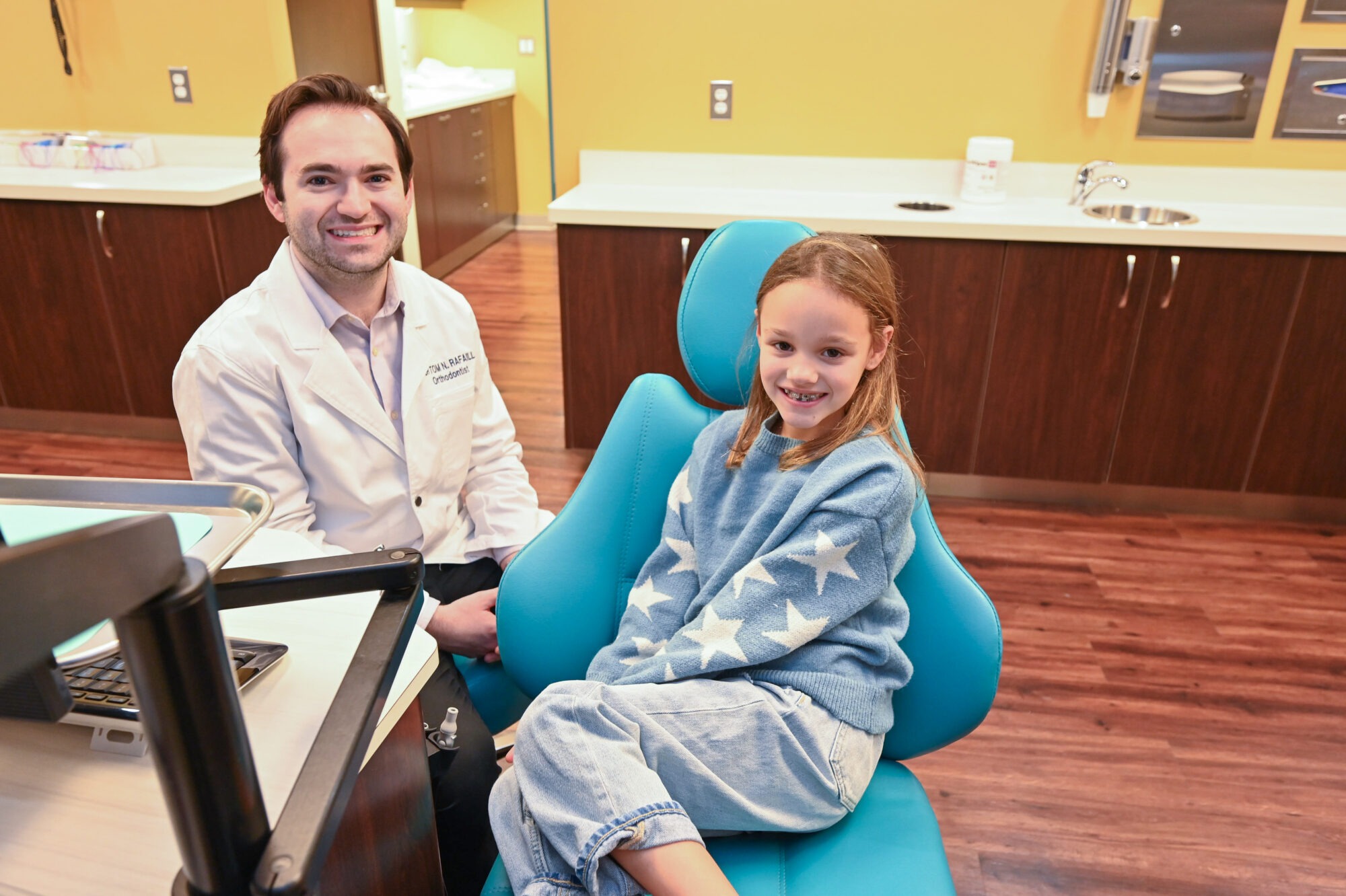
You and your smile are two of a kind, and the same is true for your child. When it comes to understanding why you should choose an orthodontist instead of waiting, the benefits of early evaluation come down to one simple idea: catching small issues before they grow into bigger ones. An early orthodontic evaluation gives a specialist the chance to spot jaw and bite concerns while your child is still growing, which opens the door to easier, shorter treatment later on.
What Is Early Orthodontic Evaluation?
An early orthodontic evaluation is a specialist screening of your child’s teeth, bite, and jaw development, recommended by age 7. It’s a diagnostic baseline, not an automatic start to braces. Most kids who get evaluated early don’t need treatment right away. They simply get monitored so nothing is missed.
The American Association of Orthodontists (AAO) recommends age 7 as the ideal benchmark because it’s when the first adult molars typically come in and the bite pattern becomes clear. At this stage, a braces expert can see how permanent teeth are erupting, how the jaw is growing, and whether a crossbite, crowding, or protrusion is starting to form.
It’s worth knowing the difference between an orthodontist and a general dentist. A dentist cares for overall oral health, while an orthodontist completes an additional 2 to 3 years of specialty training focused only on tooth movement, bite correction, and facial growth. That extra training is why subtle problems often show up on an orthodontist’s radar first.
A first evaluation is typically offered as a free consult at many family practices. There’s no commitment and no pressure to begin treatment. You simply get expert answers that help you plan what comes next with clarity and confidence.
How an Early Orthodontic Evaluation Works
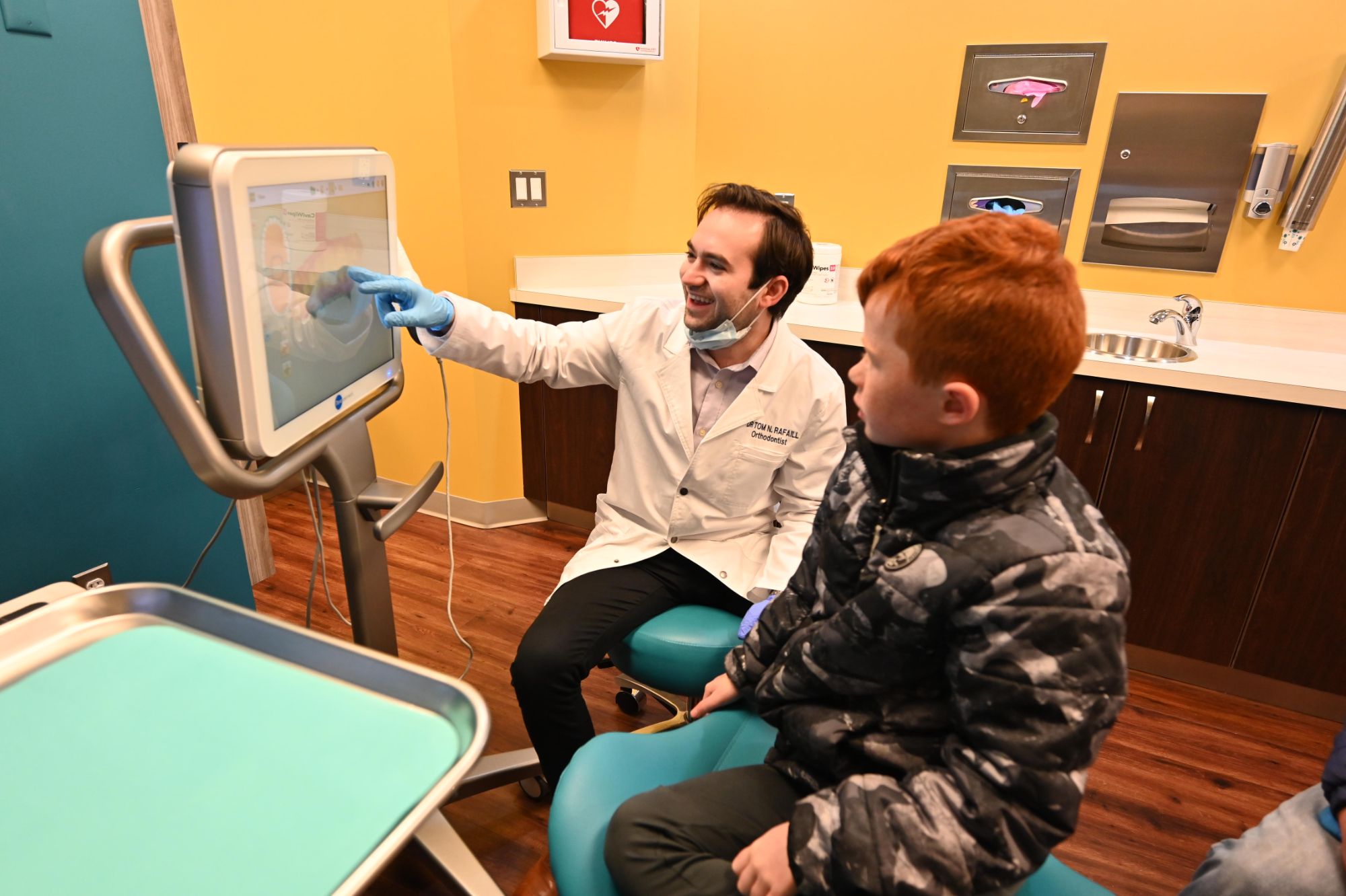
A first visit with a braces expert and the team is relaxed, informative, and family-friendly, from start to finish. Here’s what to expect during the initial appointment and what questions are usually explored.
- Visual exam. Your braces expert looks at your child’s teeth, gums, bite alignment, and jaw development. They’ll check how the upper and lower teeth meet and whether any baby teeth are hanging on too long or falling out too soon.
- Digital imaging or scans. Low-radiation images or digital scans show tooth eruption patterns, root positions, and jaw growth. These tools help spot issues hiding below the gumline.
- Findings review. Your orthodontist categorizes the results into one of three paths: monitor with periodic check-ins, start Phase 1 interceptive care, or wait until more permanent teeth are in.
- Treatment plan discussion. If no action is needed yet, your child may return every 6 to 12 months for growth monitoring visits. If early treatment is recommended, you’ll walk through options and timing together.
What’s the Difference Between Phase 1 and Phase 2 Treatment?
Phase 1 is interceptive orthodontics, usually between ages 7 and 10. It works with your child’s active growth to guide the jaw and make room for incoming adult teeth. Phase 2 is the complete adolescent phase, typically with braces or almost-invisible braces once all permanent teeth are in.
Common Phase 1 appliances include:
- Palatal expanders to widen a narrow upper jaw
- Space maintainers to hold room for adult teeth after early baby tooth loss
- Partial braces on select front teeth to correct crossbites or severe protrusion
Not every child needs Phase 1. But when they do, it can change the entire direction of their adult smile and reduce the complexity of future treatment.
Key Benefits of Early Evaluation vs. Waiting
Early evaluation gives your child advantages that simply can’t be recreated later. The biggest benefit? Your orthodontist can shape how the jaw grows while the bones are still soft and developing. Once growth stops, those windows close for good, and the available options narrow significantly.
How Does Early Evaluation Guide Growth and Development?
Here’s what early intervention can do that waiting cannot:
- Guide jaw growth naturally. While your child’s bones are still developing, an orthodontist can direct growth with expanders or functional appliances. After the growth plates fuse, the only option is often surgery.
- Reduce the need for extractions or jaw surgery. Creating room early often means fewer teeth pulled and a much lower chance of corrective surgery as a teen or adult.
- Correct harmful habits early. Thumb sucking, tongue thrust, and chronic mouth breathing can reshape the bite over time. Catching them early helps stop the damage before it sets in.
- Shorten Phase 2 treatment. Kids who had Phase 1 care often spend less total time in braces during their teen years.
What Are the Functional and Social Benefits for Kids?
Early care isn’t only about alignment. It also supports how your child speaks, eats, breathes, and feels.
- Improve speech, chewing, and airway function. A well-aligned bite supports clearer speech, easier chewing, and better breathing during a critical period of development.
- Boost confidence. Visible bite issues can affect how some kids feel about themselves at school. Early treatment can help protect that self-esteem during the formative years.
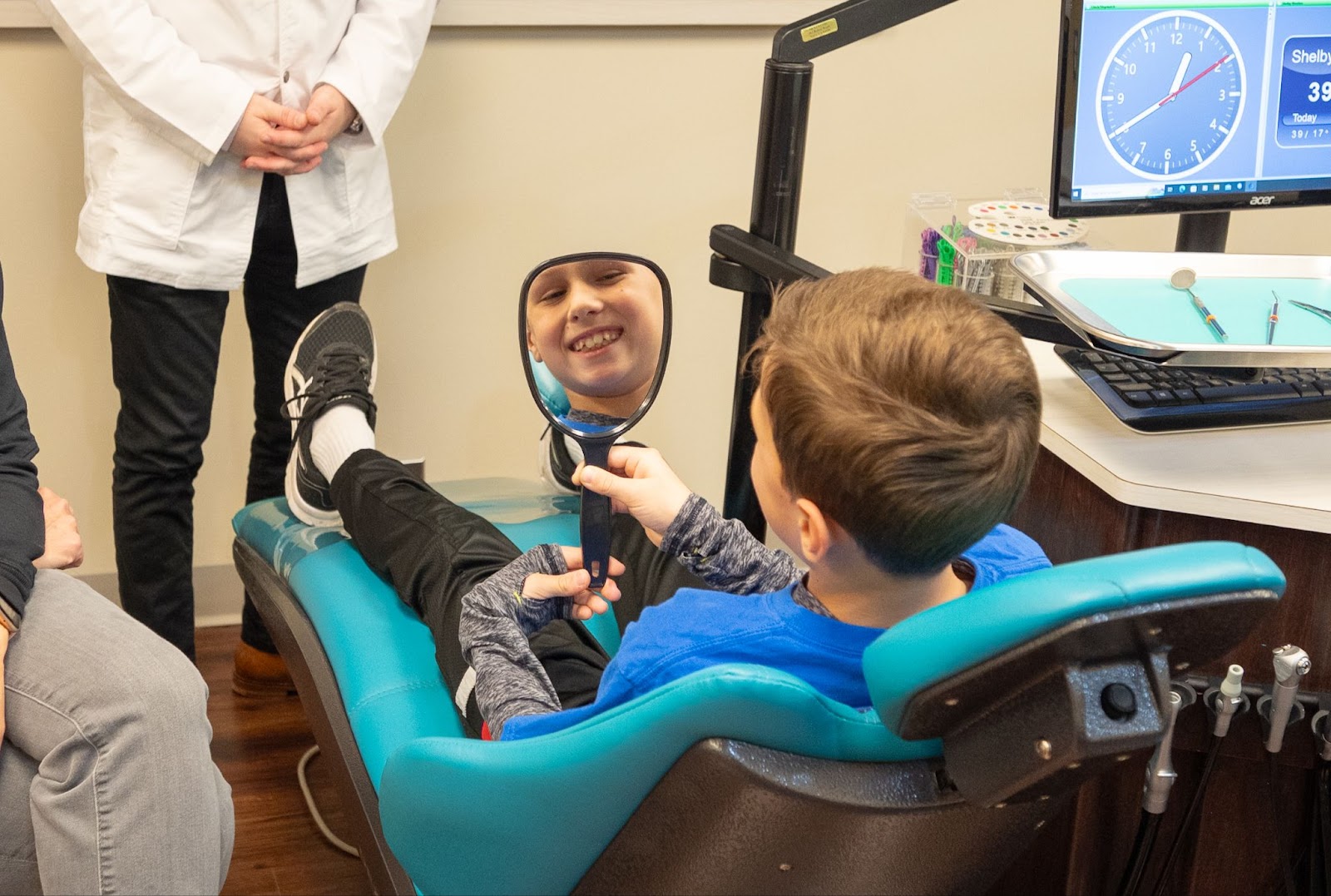
Waiting isn’t always wrong. For many kids, monitoring is exactly the right call. But without an evaluation, you simply don’t know which path fits your child. That’s the real value of coming in early: clarity you can act on.
Early Intervention vs. Waiting: Side-by-Side Comparison
Not sure what the real-world difference looks like? Here’s a side-by-side look at how choosing early evaluation stacks up against waiting until all the permanent teeth come in.
| Factor | Early Intervention (Age 7–10) | Waiting Until Teen Years |
|---|---|---|
| Treatment complexity | Often simpler, guides natural growth | Can require more involved correction |
| Phase 2 duration | Typically shorter | Often longer, full adolescent treatment |
| Tooth extractions | Fewer needed, space created early | More likely due to crowding |
| Jaw surgery risk | Significantly reduced | Possible for severe bite or growth issues |
| Growth guidance | Possible while bones develop | No longer possible after growth stops |
| Habit correction | Easier to address early | Habits more ingrained |
Here’s a real example of what waiting can mean. An untreated crossbite in a young child can lead to asymmetric jaw growth, meaning one side of the face develops differently than the other. Correcting that in a teen or adult often requires surgery. Catching it at age 7 with a palatal expander? That’s usually a few months of simple treatment.
This is also where the orthodontist vs. dentist distinction matters most. A general dentist does important work, but a braces expert spends years training specifically to spot subtle growth patterns, bite discrepancies, and eruption issues a general exam might miss. The earlier those small signs are caught, the more options your child has for correction without more involved procedures.
Signs Your Child Needs an Evaluation Now
Not every parent knows what to look for. Here’s a quick checklist you can use at home. If any of these show up, it’s a good time to schedule a free consult with a braces expert.
- Difficulty biting, chewing, or speaking clearly
- Mouth breathing or snoring at night
- Early, late, or irregular loss of baby teeth
- Protruding, crowded, or clearly misaligned front teeth
- Visible crossbite, underbite, overbite, or open bite when your child bites down
- Thumb sucking past age 5
- Jaw shifting, clicking, or popping when opening or closing the mouth
You don’t need to spot all of these. Even one is worth a professional look. And if nothing on this list applies but your child is approaching age 7, that’s still the right time for a baseline visit. The AAO recommends it for every child, not just those with obvious issues. A short evaluation at that age gives your family a reliable starting point for the years ahead.
Frequently Asked Questions
At what age should my child first see an orthodontist?
The American Association of Orthodontists recommends a first evaluation by age 7. That’s when the first adult molars typically come in and the bite pattern becomes visible. Most kids won’t need treatment at this age, but the evaluation establishes a baseline so nothing gets missed as they grow.
Will my child need braces twice if treated early?
Sometimes, yes. Kids who have Phase 1 interceptive treatment may still need Phase 2 braces or almost-invisible braces during their teen years. The good news is that Phase 2 is often shorter and simpler because Phase 1 already corrected the underlying growth and spacing issues.
What happens if I wait until all my child’s permanent teeth come in?
Waiting is sometimes the right call, but it comes with risks. Some bite and growth issues can only be corrected while the jaw is still developing. By the time all permanent teeth are in, options may narrow to extractions, longer treatment, or in severe cases, jaw surgery. An early evaluation helps you make that decision with real information rather than guesswork.
Is early orthodontic treatment uncomfortable?
Early treatment is generally very comfortable. Your child may feel mild pressure or soreness for a day or two after an appliance is placed or adjusted, but it’s not the kind of discomfort that disrupts daily life. Most kids adjust quickly and barely notice their expander or partial braces after the first week.
What’s the difference between an orthodontist and a general dentist?
A general dentist completes dental school and provides overall oral health care. An orthodontist completes dental school plus an additional 2 to 3 years of specialty training focused only on tooth movement, bite correction, and jaw growth. That extra training is why an orthodontist is the right choice for evaluating developmental bite issues in children, especially when subtle growth patterns or eruption timing need an experienced eye.